Acknowledgements
- Updated May 2026
Co-ordinator
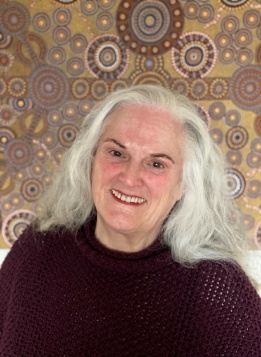
Marg Cranney
Our deep gratitude goes to Marg Cranney, whose exceptional leadership and tireless dedication brought this entire project to fruition. Marg’s role extended far beyond coordination — she co-authored the website content alongside our Steering Committee members, skillfully navigated relationships with numerous organisations, and masterfully managed the complex schedules and logistics that such an ambitious project demanded.
Content Contributors
Our Steering Committee
Deb H
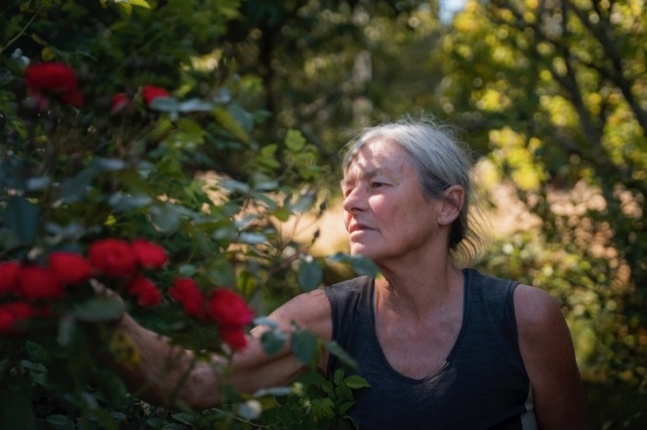
She is an older autistic woman and a victim-survivor of family, domestic and sexual violence, living with chronic pain and complex PTSD. Deb believes that lived experience is essential in co-design of educational materials to assist people facing the traumas that she has faced herself.
Deb found this co-design work has helped her own healing, and knowing that others will have access to supports that were not available to her gives her great joy.
Deb T
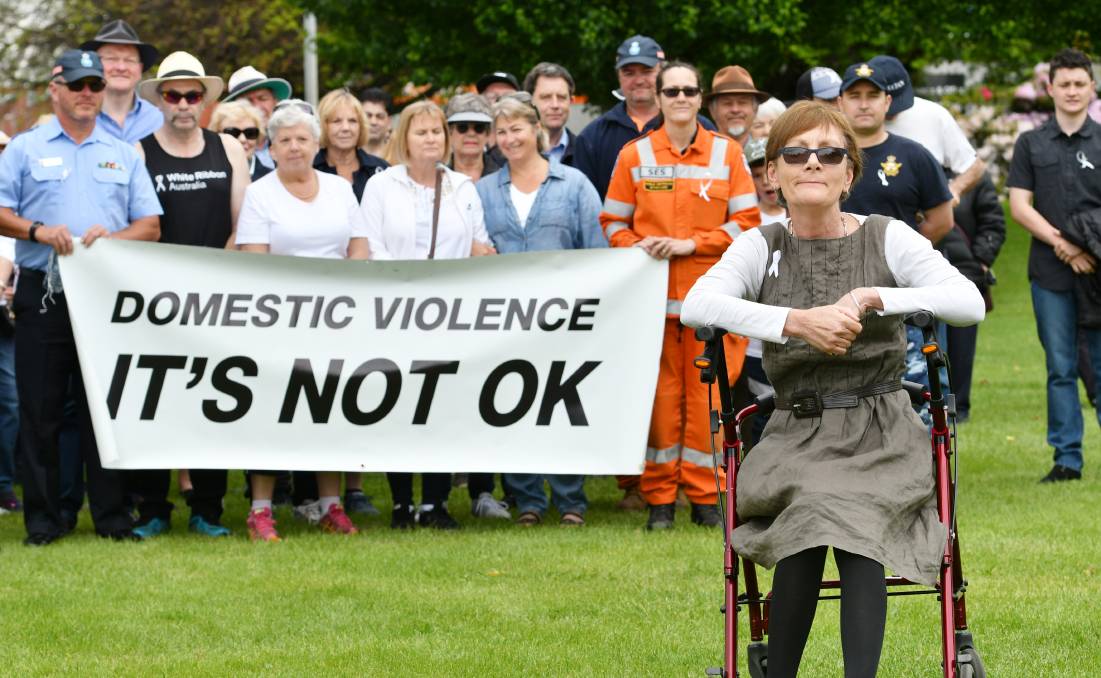
Writer, published author, and successful campaigner for non-fatal strangulation law reform in Tasmania.
I began writing when I made daily diary entries journaling 18 years of living with an abuser. These diary entries formed the basis for my two memoirs; the first dealt with living in an abusive relationship, the second a continuation of my story after leaving.
Under Change the Story, I trained to be an advocate for victims of domestic, family and sexual violence in 2018. Since then I have sustained my advocacy role and extended it to activism for victims. I previously sat on the Australian Government’s inaugural national DFSV Commission advisory board and am currently on Tasmania’s first Department of Premier and Cabinet (DPAC) advisory board acting on behalf of victims of abuse.
After leaving, I realised:
- It was important to share my story with the public in speaking events across Tasmania. It was his secret to keep but no longer mine.
- No matter the hardships experienced after leaving, life is better than staying with an abuser and his abusive behaviours. They tell you they love you — but this is NOT the actions of someone who truly loves you.
- Abusers choose to abuse; the abuser’s behaviour is never your fault nor your responsibility to fix.
- The sooner you can leave (seek trusted support before, during and after leaving, as you are at higher risk of escalating violence at the point of leaving) the less the risk of entrenched trauma from long-term abuse.
- You can’t escape in isolation. Sometimes it takes an outsider to see what is really happening between abused and abuser.
This is my path to recovery. Every survivor’s journey to healing is different and no more or less valid than another’s journey.
Chantel
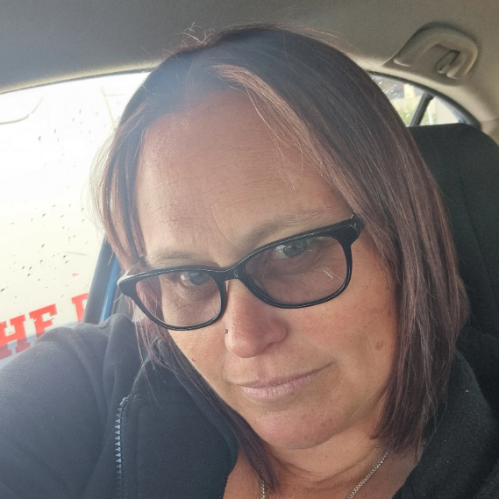
A proud Wiradjuri woman and a survivor of family and sexual violence, now an advocate with Engender Equality
When I left my abuser, I couldn’t understand why my family and I endured such suffering. I turned to Google and my counsellor to make sense of what, why, and how I was abused. Through that process, I learned to step back into my own power, rebuild myself from the ground up, and reclaim my life.
Judy
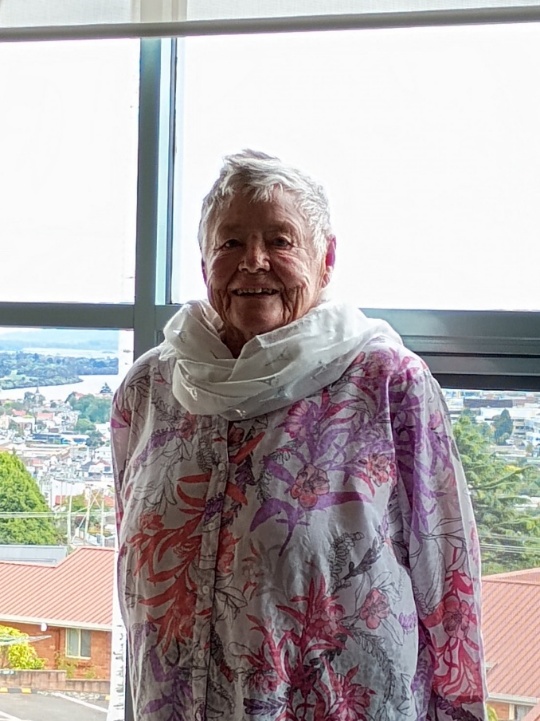
Born and raised in Launceston, Judy has experienced physical violence and elder abuse — and turned that experience into powerful advocacy.
In my early twenties, I moved to Perth, Western Australia, where I met and married my first husband. Physical violence began early in our marriage and continued after the birth of our first child.
When we returned to Tasmania, the abuse persisted. When I told my mother about the violence, she advised me to be more attentive to my husband. I later learned that my mother had also experienced domestic violence from my father and had to leave for her own safety.
After leaving my husband, my children and I were forced to leave our home for over a year while police dealt with a sexual predator who had targeted our family. I sold my business and moved interstate, where I lived for 30 years with limited contact with my children.
In my later years, I experienced elder abuse from my middle son (now deceased), which included physical violence and financial exploitation of both me and his grandmother. I later discovered that my eldest son had been sexually abused by a teacher who was never held accountable.
Today, I am rebuilding my life through advocacy and peer support. I completed training with COTA Tasmania as a survivor of elder abuse and now share my story to raise awareness about the various forms of elder abuse. I have participated in this project to advocate against elder abuse and it has strengthened my confidence and resilience.
In 2025, I was a speaker at the Elder Abuse Action Australia (EAAA) conference in Adelaide and participated in the COTA Roadshow, travelling across Tasmania to raise awareness about elder abuse and connect people with available support services. I hope to continue this advocacy work in the future.
Kira Robertson
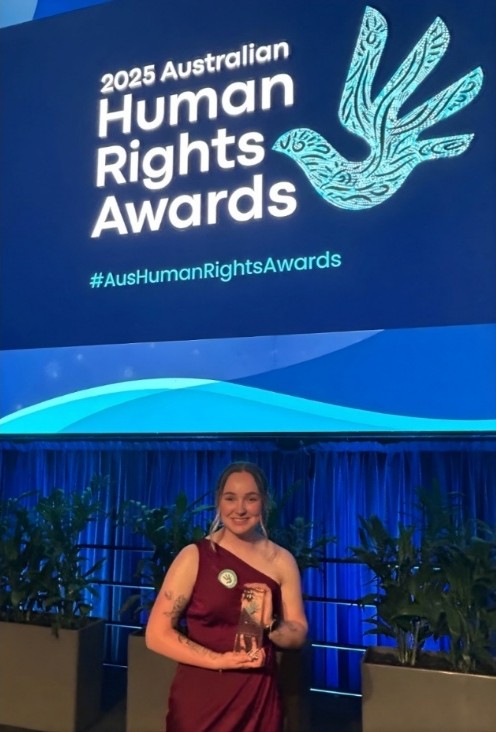
Daughter of Jacqui Purton — a Tasmanian woman who lost her life to gender-based violence — and co-founder of Her Strength Her Story.
Francene
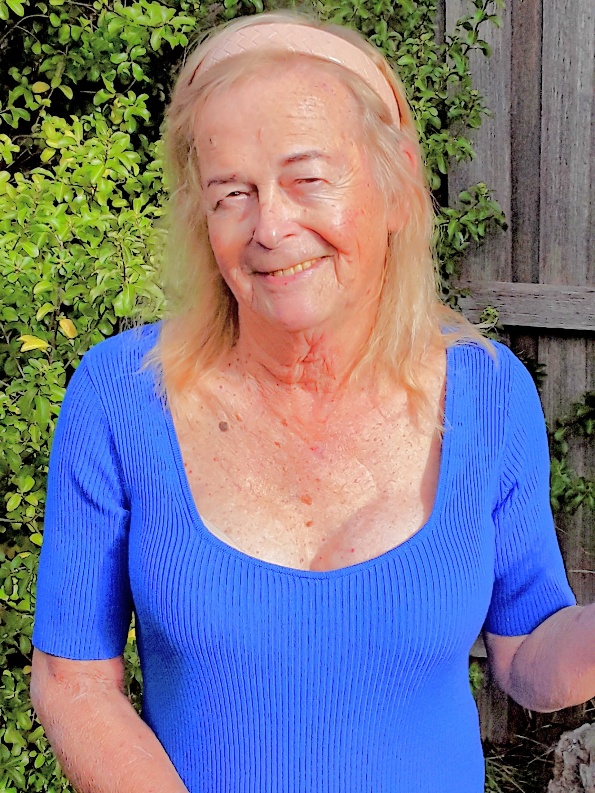
Born and educated in Hobart, Francene served 20 years in the RAAF before becoming head of a department at TAFE.
I experienced coercive control in my first marriage during my time at TAFE. I felt they were minor episodes, so I ignored them. Upon retirement the coercive control escalated and became part of my existence. As a veteran, I receive counselling every week and my counsellor explained to me the collective impact of these small episodes.
The longer I stayed, the more intense the coercive control became. There was control of my finances, appearance, what I did and when I did it. The perpetrator blamed me for the abuse: “If you hadn’t done this, I wouldn’t have to act this way.”
Eventually we split, and I was asked why by an acquaintance. I explained about the coercive control and she went away — then came back and denied that my experiences were coercive control, telling me, “You don’t feel any of the effects of coercive control.”
I am now divorced and remarried and I’ve never been happier. I am regaining my self-worth. I still remember those days of loneliness and fear, but those memories can be pushed back.
I am now able to help others with similar problems because of my past as a military advisor and a teacher of adults. I believe that only those who have been there fully understand the effect of these experiences and the impact on your feelings of worth and wellbeing.
“To other people, coercive control is invisible. There are no broken bones or bruises — just continuous mental abuse that can cause a suicidal outcome. I am now regaining my self-worth.”
Staff from Support Services in Tasmania
We extend our deepest gratitude to the many dedicated staff from family violence and community services across Tasmania who contributed to this project. Their generous advice, thoughtfully recorded messages, comprehensive service information, and unwavering enthusiasm were invaluable to bringing this vision to life.
The Team Behind This Site
David Adams
Our heartfelt thanks go to David Adams from Action Crew, whose exceptional work as our visual communication lead elevated this entire project. David’s passion for this cause, his remarkable generosity, and his outstanding creative skills transformed our vision into reality. He went far above and beyond what was required, giving selflessly of his time and talent. David, your contribution has been truly extraordinary — thank you.
Tom Holder
“This website stands as a testament to collaboration and community spirit. We are profoundly grateful for your contributions.”
Our Generous Supporters
Our sincere appreciation extends to the following organisations whose generous financial support made it possible to create these powerful videos and amplify the voices of these remarkable Tasmanian victim-survivors.


The Tasmanian Lions Foundation